February 26, 2026
Gutters play an essential role in protecting homes from water damage by directing rainwater away from the foundation and roofing. However, like all parts of a house, they require regular maintenance and occasional repairs. This article explores the most common gutter repairs homeowners encounter, detailing the causes and solutions for each issue. Proper gutter repairs are not just about aesthetics; it is pivotal in preventing severe water damage and prolonging the life of a home. By understanding common problems and their remedies, homeowners can ensure that their gutters continue to function effectively.
1. Repairing Leaky Gutters
Leaky gutters can arise from several issues, such as joint separation, corrosion, or physical damage. Metal gutters often suffer from rust, which eats away at the material, causing tiny holes. Over time, even small damages can escalate if left unchecked, leading to significant leaks. Physical impacts from falling branches or debris can create dents or bends that disrupt the gutter's integrity. Addressing these issues early can save homeowners from more substantial repairs later on.
Finding leak points effectively requires visual inspection or water testing. During a rainstorm or with a hose, observe where water escapes the gutter system. Sometimes, leaks are evident by the presence of streaks and stains on the house's siding. Thorough inspections necessitate checking both the seams and the base of the gutters. Early detection during routine inspections can prevent minor leaks from developing into major problems.
To stop leakages effectively, appropriate sealants must be applied to vulnerable areas. Silicone-based sealants are popular due to their flexibility and weather-resistant properties. Sealants should be applied on a dry, clean surface to ensure adhesion. While temporary, this solution is often sufficient to prolong gutter life until more extensive repairs can be performed. If leaks persist after sealant application, consultation with a professional is advisable.
2. Fixing Sagging Gutters
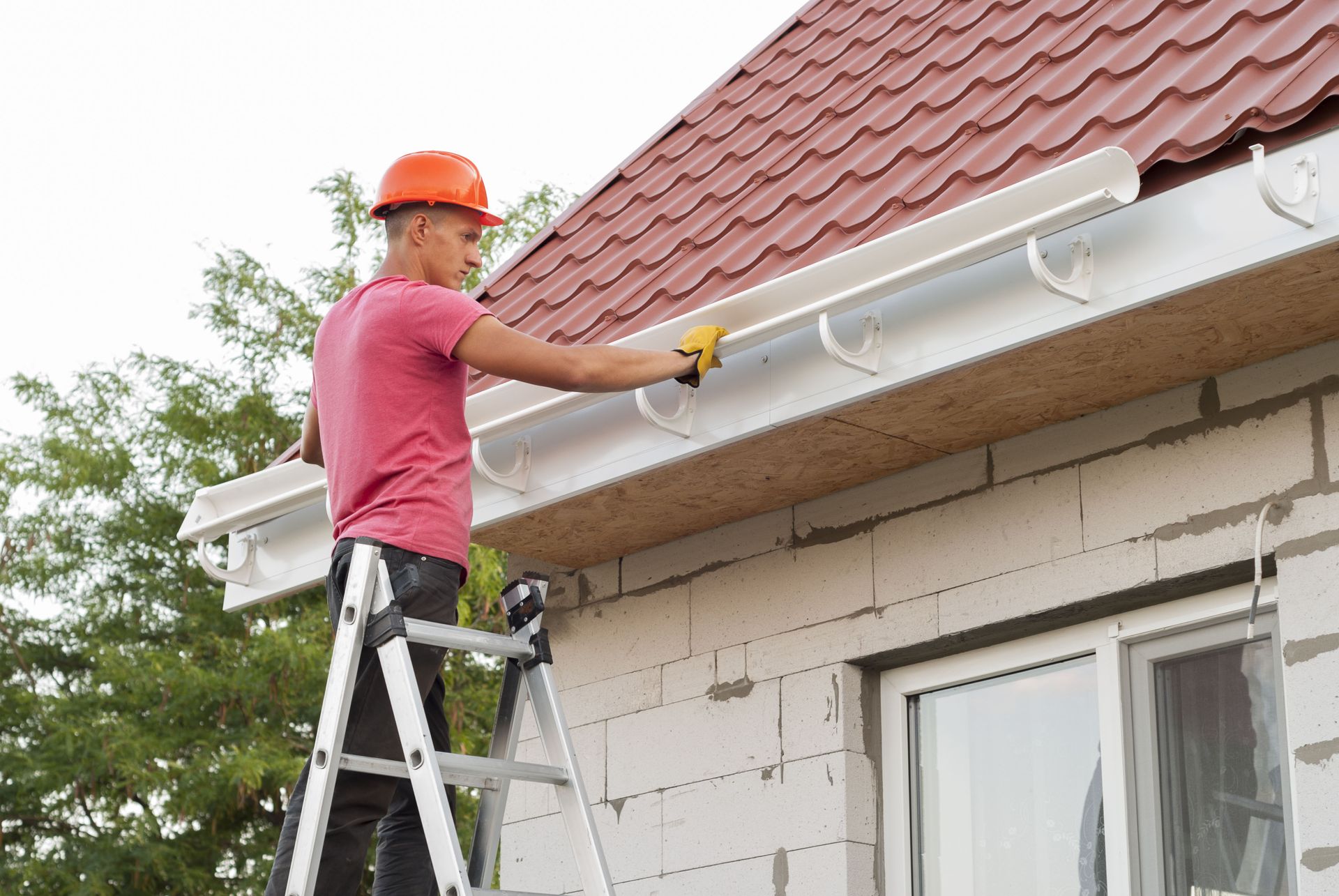
Sagging gutters are typically caused by the accumulation of heavy debris such as leaves or twigs. This adds weight to the gutter system, pulling it away from the house over time. Inadequate support in the form of too few brackets or hangers also contributes to sagging. Structural issues, including wood rot where gutters are attached, can exacerbate the problem. Addressing these underlying causes is critical to ensuring gutter stability.
The installation of additional hangers or brackets can provide significant support for sagging gutters. Proper spacing of these supports is necessary to distribute the weight of the gutter evenly. According to The Freedonia Group, a 1000 square foot roof can yield 623 gallons of water for every inch of rain, making early reinforcement vital to gutter longevity. Investing in quality materials for brackets ensures they hold under the increased load during heavy rainfalls. Brackets should be secured into solid wood, not rotted or weak materials, for maximum efficacy.
Occasionally, segments of gutters may suffer irreparable damage, necessitating replacement. This might include sections heavily corroded, dented, or warped beyond repair. Precise measurement and cutting ensure new pieces fit seamlessly into the existing system. Replacing damaged sections promptly not only restores function but also improves the system's overall appearance. Regular inspection can help identify sections that require replacement before they lead to larger issues like water infiltration.
3. Resolving Downspout Issues
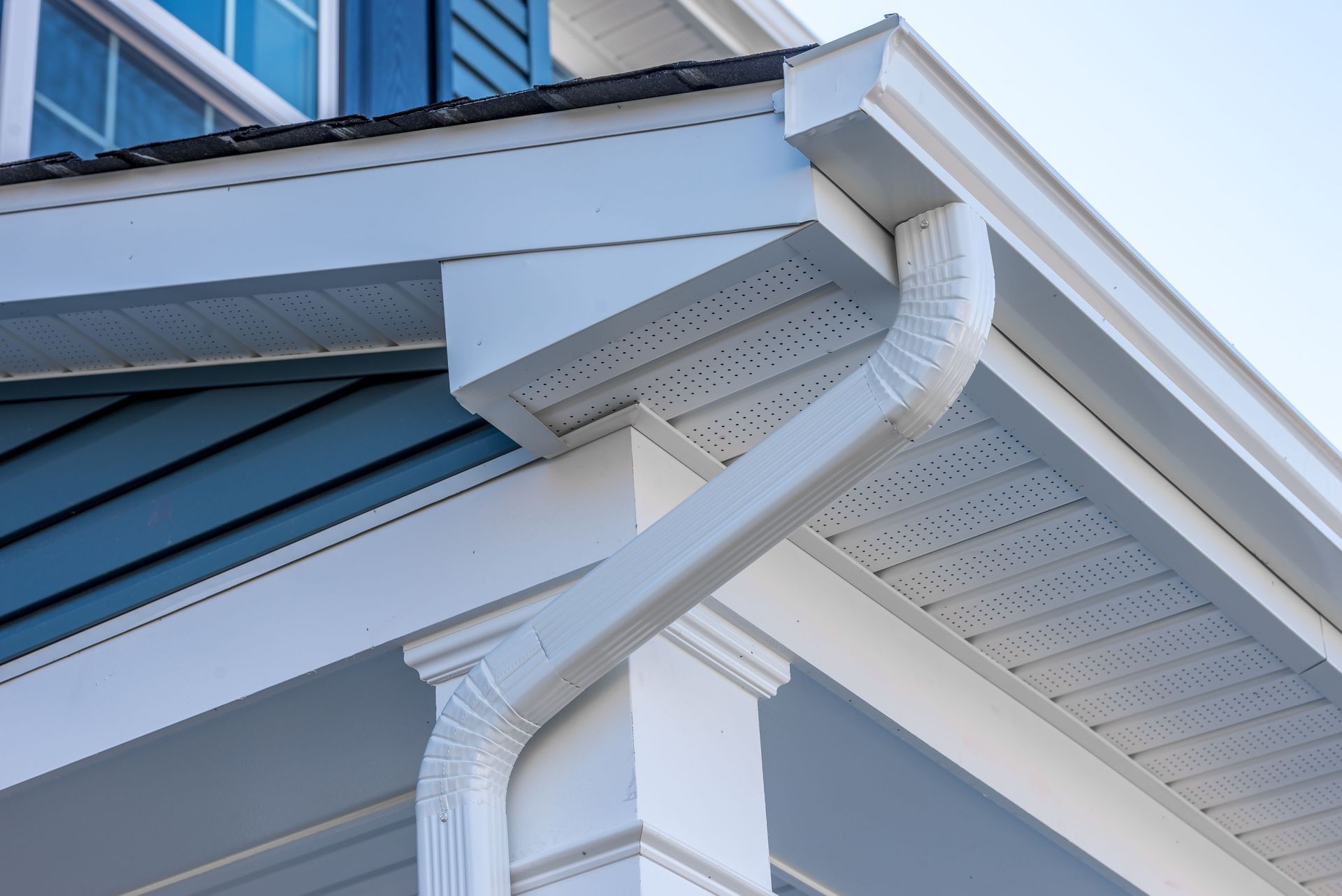
Obstructions in downspouts can severely impede the flow of water, causing overflow. Regular cleaning of gutters and downspouts clears debris such as leaves, twigs, and dirt that cause blockages. Using a plumber's snake or pressure washer can be an effective method in ensuring downspouts remain clear. Furthermore, installing a screen or guard at the downspout entrance can prevent large debris from causing clogs. Maintaining clear downspouts is vital for preserving gutter functionality and water drainage.
Adding extensions to downspouts can drive water further away from a home's foundation. These extensions prevent the accumulation of water near the base of the home, where it can cause structural damage. Flexible and rigid extensions are available, with each suited to different landscape needs. Proper installation involves ensuring the slope directs water away effectively, even during heavy rainfall. Such preventative measures are essential to minimize foundation damage risk.
Securing joints where downspouts meet gutters or drainage systems is crucial to avoiding leaks. These connections should be checked regularly for signs of wear or separation. Using quality sealants and connectors can prevent water leaks that might compromise foundation integrity. Additionally, experimenting with different materials and techniques can yield the best results for particular setups. Regularly checking these connections extends the life and efficiency of the downspout system.
4. Dealing with Clogged Gutters
Clogged gutters reveal themselves through noticeable signs such as gutter overflow during rain or sagging from debris weight. Other manifestations include water marks or mildew on the house's exterior walls. Overflowing gutters can lead to water pooling around the foundation, posing serious structural risks. Identifying and addressing blockages early is critical in preventing damage. Regular checks, especially post-autumn leaf fall and pre-spring showers, help maintain clear and functioning gutters.
Maintaining clean gutters can involve manual removal, power washing, or employing a vacuum system. Each method has its advantages, depending on the debris type and the size of the gutter system. Power washing is effective for thoroughly removing grime buildup, although care must be taken to avoid damaging the gutters with high pressure. Aero-based systems like vacuums can reach difficult places without needing ladders. Routine cleaning preserves the gutter's appearance and functional capacity significantly.
Gutter guards offer an effective solution to minimize future clogs by preventing large debris from entering the system. Available in various materials and designs, gutter guards can suit all needs and budgets. By keeping most debris out, guards reduce the frequency and difficulty of cleaning. However, periodic inspection and maintenance remain essential to ensure optimal performance. Many find that the initial investment in guards pays for itself through reduced labor and repair costs.
5. Repairing Fascia and Soffit Damage
Water exposure can lead to the decay or warping of fascia and soffits, integral parts of the gutter system. Fascia boards, providing a mount for gutters, can deteriorate under long-term water exposure. Soffits, which cover the underside of eaves, can also suffer from humidity and moisture buildup. Regular inspection for signs of rot or pest intrusion is necessary. Timely repairs prevent water from seeping further into a home's roofing structure.
Choosing durable materials for repairs is crucial in resisting future moisture and warping. Materials like PVC and treated wood offer resistance to various weather conditions. While wood provides a natural aesthetic, composites like PVC demand less maintenance and offer long-lasting performance. Weighing the benefits and costs of each option bolsters long-term prevention against common issues. Investing in quality materials initially reduces the frequency and extent of future repairs.
The process of removing and replacing damaged fascia and soffits necessitates careful measurement and installation. Patience and precision ensure new pieces fit snugly, avoiding future gaps or irregularities. A correct installation includes secure mounting to existing structural anchors or roofing trusses. Following all safety procedures during removal and installation protects both the worker and the integrity of the new materials. Proper installation prevents water intrusion and aligns new components seamlessly with the house's existing design.
Understanding the common issues and repairs related to gutter repairs can help homeowners prevent water damage and extend the lifespan of their gutter systems. Regular inspections and timely repairs are key to ensuring that gutters function correctly and efficiently, ultimately safeguarding the home from potential damage. Addressing issues like leaks, sagging, and joint separations promptly can prevent minor inconveniences from escalating into major problems. Coupled with preventive measures like installing gutter guards or extending downspouts, these efforts protect homes from extensive water damage. By investing time in routine maintenance and timely interventions, homeowners can preserve their property's structural integrity and enhance its longevity. For more information about the services that we offer, reach out to our incredible team at A1 Siding and Gutter Company today!