July 14, 2026
Understanding the impact of seasonal weather variations on a wood siding installation is crucial for homeowners who wish to prolong its lifespan and maintain its aesthetic appeal. With the changing weather patterns, wood siding is subjected to different stressors that affect its durability and performance. From the high humidity of spring to the frigid temperatures of winter, each season brings unique challenges. Careful monitoring and maintenance of wood siding through the year can mitigate these challenges and extend its functionality. This article explores how different seasons affect wood siding and what measures can be taken to protect this invaluable asset.
Effects of Spring Weather on Wood Siding
Increased Moisture and Its Effects
Spring is a season characterized by increased moisture levels, often resulting in rain and humidity. The porous nature of a wood siding installation makes it particularly susceptible to water absorption during this time. Excess moisture can lead to swelling, warping, and in severe cases, rot. These conditions compromise the structural integrity of the siding if neglected. Regular maintenance, such as sealing and water-proofing, can help mitigate these effects by creating a barrier against excessive moisture.
Temperature Fluctuations
Spring is also marked by unpredictable temperature fluctuations, with substantial differences between day and night temperatures. These fluctuations cause wood to expand and contract, potentially leading to cracks and splits over time in a wood siding installation. Such structural changes, albeit small, can accumulate and weaken the siding. To address this, homeowners should consider flexible paints or coatings that expand with the wood and prevent minor gaps from growing into larger issues. Recognizing the signs early can save significant repair costs in the long run.
Pollen and Biological Growth
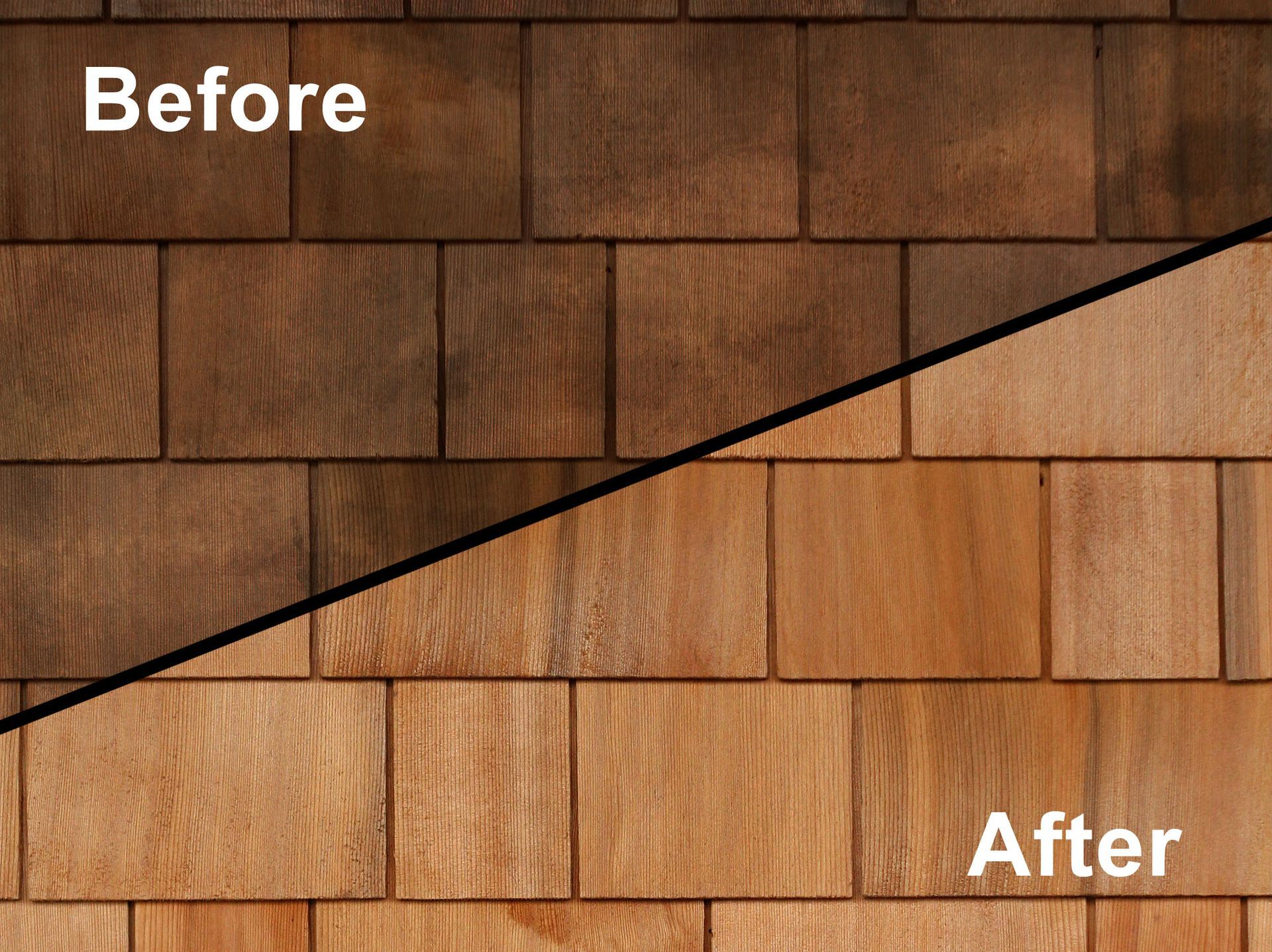
The warm seasons also introduces pollen, mold, and mildew, which can adhere to wood surfaces. While these biological entities might seem harmless initially, they can lead to discoloration and decay. If left unchecked, mold and mildew can penetrate the wood, causing internal damage that can be costly to repair. Regular cleaning and maintenance, aided by the application of fungicidal treatments, can prevent the growth of these biological nuisances. Moreover, timely intervention helps maintain the aesthetic appeal of the wood's natural finish.
Spring Cleaning and Maintenance
Spring cleaning is not just for interiors; it is equally important for maintaining a wood siding installation. This routine includes thorough inspections to identify damage or potential problem areas. Cleaning the surfaces to remove any accumulated dirt, debris, and biological growth is crucial. Applying a fresh coat of sealant during spring helps protect the wood from the ensuing summer heat. Such preventive steps can enhance the siding's resilience against seasonal challenges efficiently.
Preparation for Summer Heat
As spring gives way to summer, it is vital to prepare a wood siding installation for the hot months ahead. The transition strategies involve resealing and repainting to shield the wood from harsh ultraviolet rays. Ensuring proper ventilation and addressing overhanging branches that could trap heat are practical steps. Additionally, inspection for insect infestations during spring is crucial before summer amplification. These preparation tasks create a defensive layer for the siding, extending its lifespan significantly.
Summer Heat and Its Impact on Wood Siding
UV Radiation Deterioration
Summer brings with it intense sunlight and prolonged exposure to ultraviolet (UV) rays. A wood siding installation exposed to these rays can undergo color fading and surface degradation. The UV radiation breaks down the lignin in wood, resulting in weakened fibers and a grayer appearance over time. Applying UV-resistant finishes is a recommended measure to prevent this type of damage. Such protective coatings can also enhance the aesthetic longevity of the siding while preserving its strength.
Heat-Induced Expansion
High summer temperatures cause wood to expand due to heat absorption. This phenomenon can exacerbate existing cracks and create new ones, undermining the wood's structural integrity. However, treating the siding with heat-resistant finishes can reduce the likelihood of such damage. It is also essential to allow for gaps between siding boards to accommodate expansion, thereby avoiding undesired pressure build-up. Regular inspections ensure that any signs of expansion-induced stress can be addressed promptly.
Dehydration and Warping
Intense summer heat not only causes expansion but also leads to dehydration of the wood. Prolonged dryness can result in warping, where the wood twists and bends. Such distortions may compromise the uniformity and functioning of the siding, impacting the home’s overall weatherproofing. Hydrating the wood with water-based treatments or other moisturizing agents can be effective in counteracting dehydration. Early intervention is imperative to maintain the siding's shape and functionality.
Pest Activity
Summer is a high-activity period for pests like termites and carpenter ants that are attracted to wooden structures. These pests find the warm, dry conditions around a wood siding installation ideal for burrowing into the siding and reproducing. Regular inspections and treatment with appropriate insecticides can prevent significant pest-induced damage. Professionals can also be engaged to perform thorough pest control assessments. Establishing these preventive measures ensures the longevity and durability of the wood siding against summer pest threats.
Long-Term Effects and Monitoring
Cumulative Weather Damage
The long-term impacts of recurring seasonal weather patterns can significantly affect wood siding. Each season leaves behind wear and tear that, if untreated, accumulates over the years leading to significant structural issues. Regular assessments and timely interventions are necessary to counter cumulative damage. Homeowners can extend the siding’s lifespan significantly with a systematic maintenance schedule. Given that the U.S. siding market is expected to reach USD 21.6 million by 2030, according to Gran View Research, innovation in siding technology and maintenance practices is key to durable, long-lasting installations.
Monitoring Wood Siding Condition
Ongoing monitoring is essential for maintaining wood siding condition over its lifespan. Establishing a yearly schedule for inspections helps identify potential vulnerabilities and emerging patterns of wear. This strategy allows for timely repairs and reinforces the siding against recurring weather conditions. Documentation of these maintenance activities also aids in resale value by demonstrating diligent care. Regular monitoring becomes an investment in sustaining the exterior beauty and functionality of the home's siding.
Innovations in Wood Treatment
The emergence of new technologies and treatments offers enhanced protection for wood siding against weather elements. Innovations such as advanced sealants, customizable finishes, and eco-friendly preservatives are revolutionizing maintenance capabilities. These products are designed to extend the lifespan of siding and require less frequent application. Exploring these innovations can enhance the protective measures homeowners have at their disposal. This foresight can result in long-term savings and improved siding performance against climatic challenges.
Economic Considerations
Maintaining wood siding involves evaluating economic considerations, balancing costs with the benefits of upkeep and repair. The costs of preventive maintenance and professional inspection are ultimately lower than those associated with extensive repairs or replacements. With the siding market's growth and the availability of more cost-effective solutions, homeowners can optimize their investment. Tailoring maintenance practices to specific needs and climate conditions further enhances value. Economically sound maintenance is crucial for capitalizing on the longevity of wood siding installations.
Understanding and addressing the impact of seasonal weather on wood siding can significantly extend its lifespan and improve the aesthetic and functional value of your home. Regular maintenance, responsive repairs, and a keen eye for innovation are essential tools for protecting wood siding from environmental stressors. With strategic planning, homeowners can leverage these tools to maintain and enhance their wood siding installations, safeguarding a key component of their home's exterior integrity. Proactive care ensures lasting beauty and resilience for years to come. Call A1 Siding and Gutter Company today to learn more.