October 2, 2026
Living in coastal regions or high-wind areas presents unique, demanding challenges for everyday homeowners. Constant exposure to salt, humidity, and severe weather causes standard building materials to degrade much faster than in mild climates. When upgrading your exterior, choosing the right materials is a critical decision. You need a barrier that protects framing, insulation, and interior walls from moisture and wind damage. Proper siding installation is essential to ensuring that your chosen material performs to its highest potential during severe storms. The best choices will resist rot, withstand heavy impacts, and repel corrosive salt air. By exploring the top materials designed specifically for harsh environments, you can make an informed decision that enhances both the value and the longevity of your coastal home. In the following sections, we will explore the most effective options available to fortify your property against extreme coastal weather.
Resilient Vinyl Siding Solutions
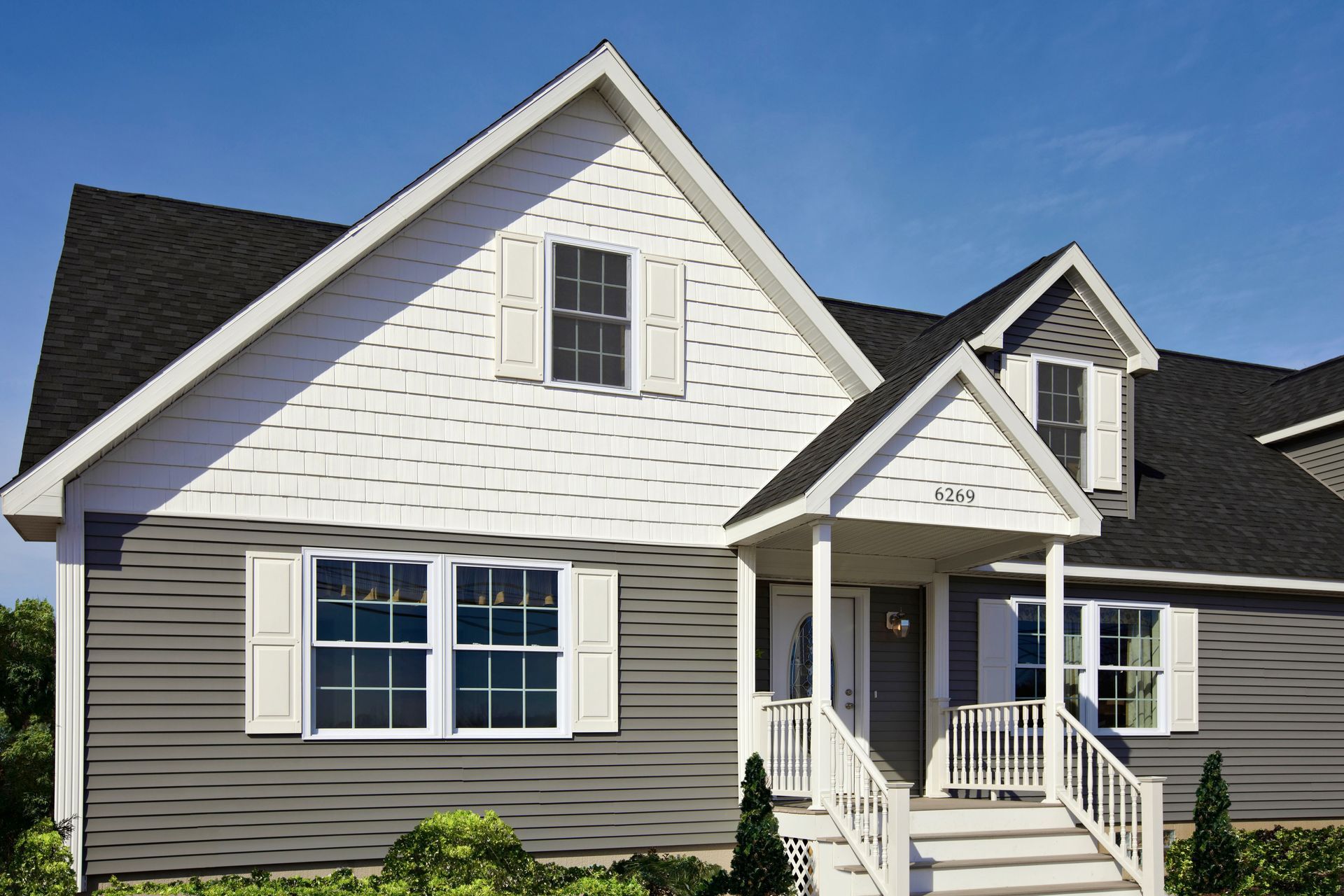
Vinyl remains a popular choice for homeowners due to its affordability and low maintenance needs. For coastal properties, standard vinyl is often upgraded to a thicker, premium grade to handle the intense wind speeds and salt spray. This material flatly refuses to rot, peel, or blister when exposed to heavy, persistent moisture. Properly affixing premium vinyl ensures the panels flex rather than break under the pressure of severe wind gusts. Modern manufacturing techniques have also made this material incredibly resistant to color fading under the harsh coastal sun. According to Factmr.com, the market value for vinyl siding is anticipated to hit USD 11.38 billion by the year 2035, growing at a consistent CAGR of 4.4 percent. This steady growth highlights how many homeowners continue to rely on vinyl for their weatherproofing needs. By choosing a high-quality vinyl siding installation, you can achieve a beautiful exterior without sacrificing the necessary protection against tropical storms and harsh winds.
Durable Hardie Fiber Cement Options
For maximum protection, Hardie fiber cement siding installation is highly recommended by construction professionals. This material blends water, wood pulp, fly ash, and Portland cement. This unique composition makes it incredibly dense and heavy, which is ideal for resisting hurricane-force winds. Unlike traditional wood, fiber cement will not warp, rot, or attract termites, making it uniquely suited for the humid, damp conditions found near the ocean. During the mounting process, the heavy planks are securely fastened to the home, creating an impenetrable shield against driving rain and flying debris. Hardie fiber cement is also non-combustible, adding an extra layer of safety to your property. While it may require a higher initial investment compared to other materials, the long-term payoff in reduced maintenance and exceptional durability is unmatched. Homeowners who desperately want a classic wood look without the associated vulnerabilities frequently choose this material for their coastal retreats.
Sturdy Metal Siding Variations
Metal serves as an outstanding material for homes in high-wind coastal communities. Specifically, metal siding installation provides a modern aesthetic while delivering commercial-grade strength to residential properties. These sturdy panels are completely impervious to water, preventing dangerous waterlogging or fungal growth after severe storms. In areas where storms frequently toss tree branches and other debris against houses, metal acts as a rigid armor that prevents structural penetration. A flawless panel application is vital to ensure that the seams overlap correctly, preventing any wind-driven rain from forcing its way behind the panels. While some homeowners might worry about the industrial look of metal, today’s options come in a wide variety of colors, textures, and profiles that can mimic traditional materials. Whether you are dealing with straight-line winds or the outer bands of a hurricane, metal remains one of the strongest barriers you can place between your family and the unpredictable coastal elements.
Formidable Steel Siding Features
Steel siding installation offers one of the most robust defenses against extreme weather conditions. Being significantly heavier and denser than other metals, steel holds an inherent advantage against high-velocity winds. It does not buckle or bend easily, meaning it will maintain its shape and protective qualities even during a severe tempest. For coastal areas, the steel must be properly galvanized or coated to prevent rust, as salt spray can rapidly oxidize unprotected ferrous metals. When a professional handles your exterior upgrade, they will ensure that all cut edges and fasteners are adequately sealed against the salty atmosphere. Steel also offers excellent fire resistance and is completely impervious to the pests that often plague coastal wooden structures. Although the weight of the material requires specialized labor during the building phase, the peace of mind that comes with wrapping your home in solid steel is incredibly reassuring for those living in storm-prone regions.
Reliable Aluminum Siding Choices
For homes directly on the coastline, aluminum siding installation provides unique benefits tailored to salty environments. Aluminum naturally resists rust and harmful corrosion, making it exceptional for properties enduring constant sea spray. This lightweight material makes building faster, yet remains strong enough to withstand wind pressures when properly secured. Aluminum is also an excellent insulator, helping to keep coastal homes cool during sweltering summer months and warm during brisk winter evenings. To get the best performance, the building process must incorporate proper fastening techniques that account for the natural expansion and contraction of the metal under temperature changes. Over the years, aluminum has proven to be a reliable and cost-effective method for shielding coastal homes from the relentless wear and tear of the ocean breeze. Its ability to combat corrosion while standing firm against high wind speeds makes it a permanent staple in coastal architecture.
Tough Composite Siding Defenses
Another highly effective option for unpredictable climates involves composite materials. A composite siding installation brings together scrap wood, plastics, and resins to form a highly durable panel. This engineered product is specifically designed to resist the problematic rotting, warping, and splitting that plague natural materials in humid environments. Composite materials are incredibly tough, offering substantial impact resistance against hail and wind-blown debris. Because the color is often baked directly into the material during the manufacturing process, it rarely requires repainting, even after years of baking in the hot coastal sun. The placement must be done carefully to allow for the slight thermal expansion that composite panels undergo, ensuring the facade remains flat and secure. By choosing composite, you invest in an eco-friendly option that repurposes recycled materials while giving your home a beautiful, resilient shield that can withstand the most brutal coastal storms year after year.
Protecting your home from the punishing, relentless conditions of a coastal or high-wind environment requires careful planning and the right materials. Whether you prefer the affordability of vinyl, the rugged mass of Hardie fiber cement, or the corrosion resistance of aluminum, each option provides unique advantages tailored to severe weather zones. The structural integrity of your house heavily relies on the exterior barrier you put in place to defend against heavy rain, flying debris, and corrosive salt air. However, simply buying the right material is not enough; the expertise behind the labor is equally important. A flawless siding installation is the only way to guarantee that your investment will actually withstand the wind speeds and moisture it was designed to combat. Always work with experienced professionals who understand the specific building codes and weather demands of your coastal region. For unparalleled craftsmanship and reliable service on your next exterior home improvement project, contact the experts at A1 Siding and Gutter Company.