June 26, 2026
As climate change continues to alter global weather patterns, the incidence of heavy rainfall events is increasing in frequency and intensity. Traditionally, building envelopes have been designed primarily to provide basic coverage from standard environmental elements without a specific focus on extreme downpours. However, as storm dynamics evolve, the need for resilient setups that can withstand these rapid changes becomes more critical. Providing sufficient water resistance and drainage is essential not only for the protection of the property itself but also for safeguarding against increased repair costs and potential structural damage. Therefore, engaging in comprehensive planning and employing forward-thinking solutions in residential management is an imperative step toward future-proofing homes and businesses. Securing a dedicated roofing service ensures that your property is fully prepared to handle severe environmental challenges with complete confidence.
Evaluating the Challenges of Severe Weather
Heavy rainfall impacts structures through the sheer volume of water that must be diverted and channeled away from the building framework. When rain falls at a rapid rate, it can collect and form pools that exert additional weight on materials, potentially leading to sagging or bowing if the roof is inadequately supported. Proper drainage setups play a crucial role in minimizing the buildup of standing water and decreasing the weight burden on the entire building. Factors like wind intensity and direction can influence how rainwater is distributed across a surface, impacting certain vulnerable areas in a variety of ways. Thus, understanding the mechanics of heavy precipitation is important for developing effective long-term solutions.
Choosing a qualified roofing service allows property owners to accurately identify these hidden risks before they develop into costly emergencies.
Existing properties may not be equipped to handle the growing challenges posed by intense downpours, making professional assessments absolutely critical. Property owners should engage skilled technicians to inspect conditions regularly, identifying weak points such as loose shingles, deteriorating flashing, or unsealed areas that could invite water ingress.
Furthermore, the condition of supporting structures, particularly older buildings prone to wear over time, should be evaluated to determine if structural reinforcements are necessary. It is important to consider the regional climate and past performance data to establish the level of risk and tailor the protective measures accordingly. Utilizing an established roofing service ensures that vulnerabilities are identified and addressed before they lead to significant operational disruptions.
Selecting the Materials for Ultimate Protection
Choosing the right components is paramount in creating systems that can easily withstand heavy rainfall. The development of innovative materials, such as hydrophobic coatings and advanced polymer composites, has made significant strides in enhancing total water resistance. These materials are designed to minimize water absorption and promote highly efficient runoff, thereby extending the overall lifespan of the system. In particular, products engineered with modern nanotechnology are becoming more prevalent, offering superior durability and resilience against water infiltration. These advancements signify a substantial enhancement over historical options, aligning with the clear need for modern solutions in today's rapidly changing climate environment.
Underlayment serves as a critical component in the water protection strategy of any modern property. Acting as a secondary barrier against water infiltration, it prevents moisture from penetrating the deck and causing internal water damage. High-quality underlayment materials, such as synthetic or rubberized asphalt, provide increased durability and moisture resistance compared to traditional felt paper, which can degrade rapidly under prolonged exposure to wetness. Moreover, installation methods that ensure seamless coverage and adequate overlap further enhance the overall protective capabilities. The investment in superior underlayment materials and techniques is a key factor in achieving long-lasting, water-resistant solutions for any building.
Designing the Framework for Maximum Drainage
The design of a pitch and slope significantly influences the ability to handle heavy rainfall effectively. Steeper pitches facilitate faster water runoff, reducing the likelihood of water pooling and minimizing the risk of leaks and structural damage. Engineers must take into account regional climate factors and localized rainfall data when determining optimal slope angles to ensure adequate drainage capabilities. Flat and low-slope designs, while sometimes preferable for specific architectural aesthetics, require enhanced drainage solutions to prevent water accumulation. By prioritizing pitch and slope design during the initial planning phases, systems can be better equipped to manage water challenges and preserve long-term structural integrity.
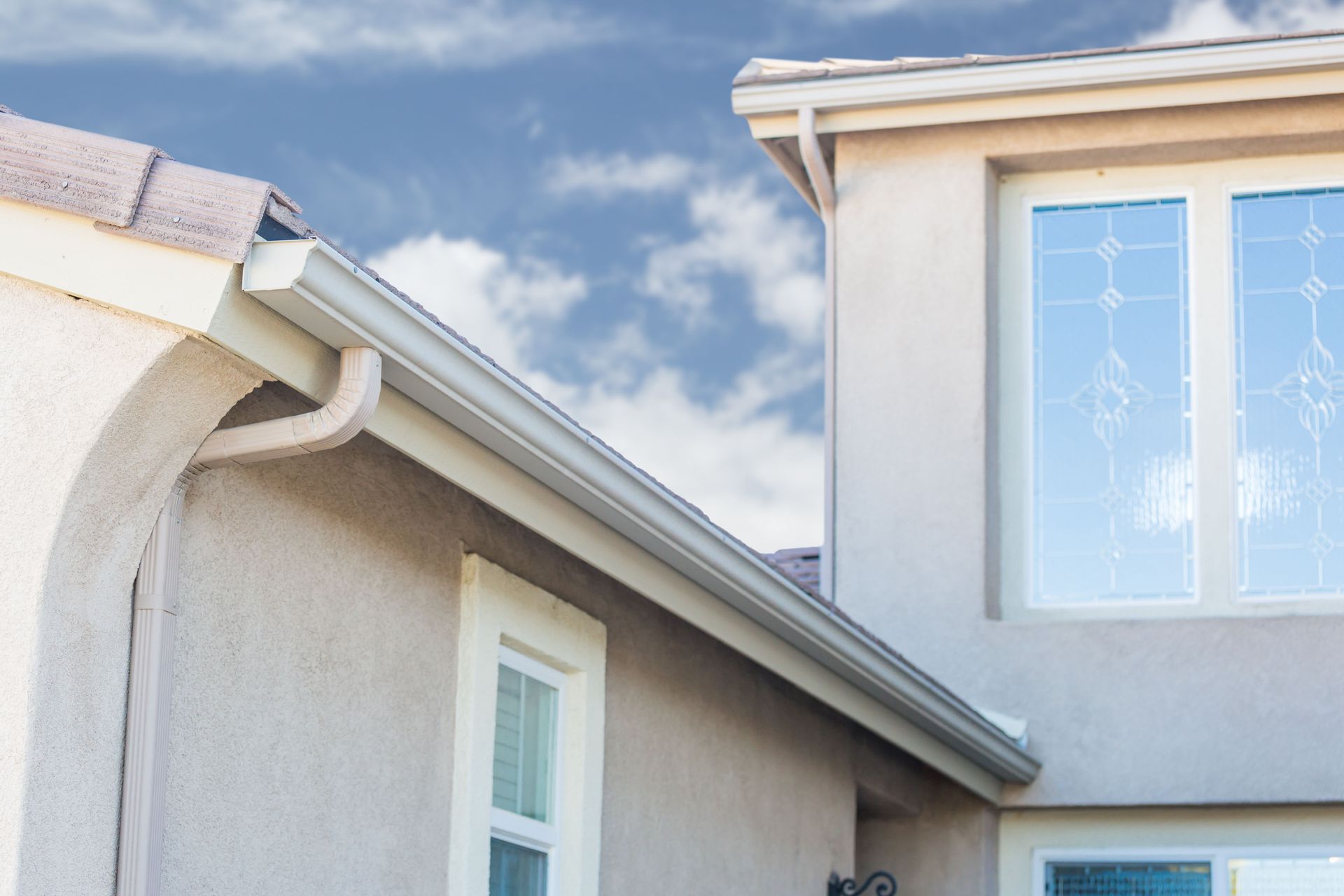
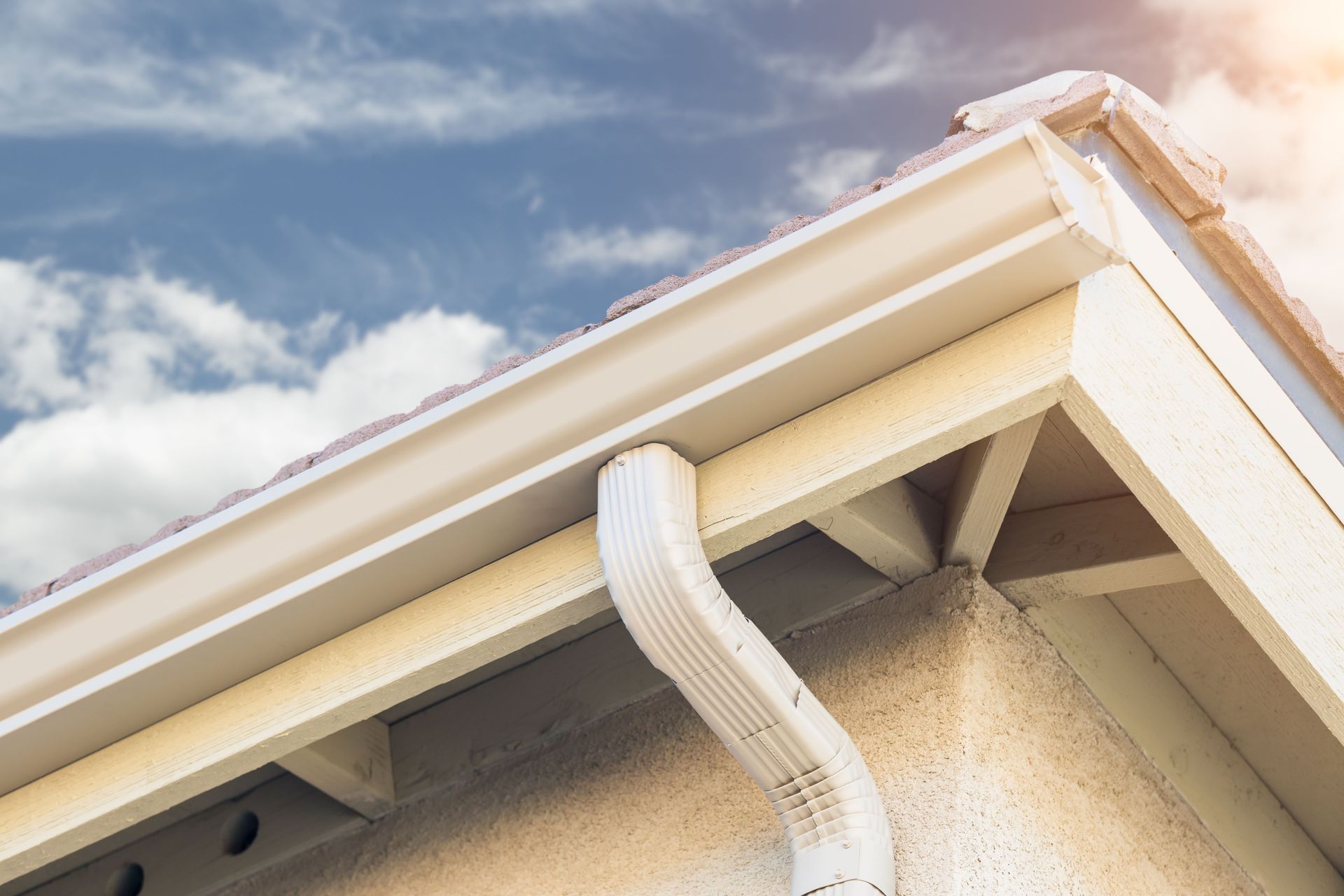
Well-designed drainage setups are essential for managing rainfall and directing water completely away from the foundation. Features such as gutters, downspouts, and rainwater channels should be appropriately sized and configured to accommodate peak water volumes. According to The Freedonia Group, every single inch of rainfall on a 1000 square foot roof can generate 623 gallons of water runoff, underscoring the absolute necessity for effective drainage components. Engineers must carefully consider rainfall patterns and incorporate adaptive systems capable of handling sudden influxes of water without causing overflow or backflow damage. A comprehensive drainage strategy results in a more resilient structure capable of withstanding fluctuating rainfall dynamics over many decades.
Applying the Techniques for Superior Durability
Proper fastening techniques are critical in ensuring that materials remain secure and functional in heavy winds and driving rain. Using appropriate fasteners, such as specific nails or screws designed for distinct materials, contributes directly to the structural stability of the system. Additionally, securing materials in accordance with manufacturer guidelines and regional building codes ensures compliance with safety standards and performance requirements. Double-fastening techniques and the use of premium adhesive products can provide additional reinforcement, especially in high-wind areas prone to uplift. Implementing these best practices creates a robust and durable setup better equipped to face environmental challenges.
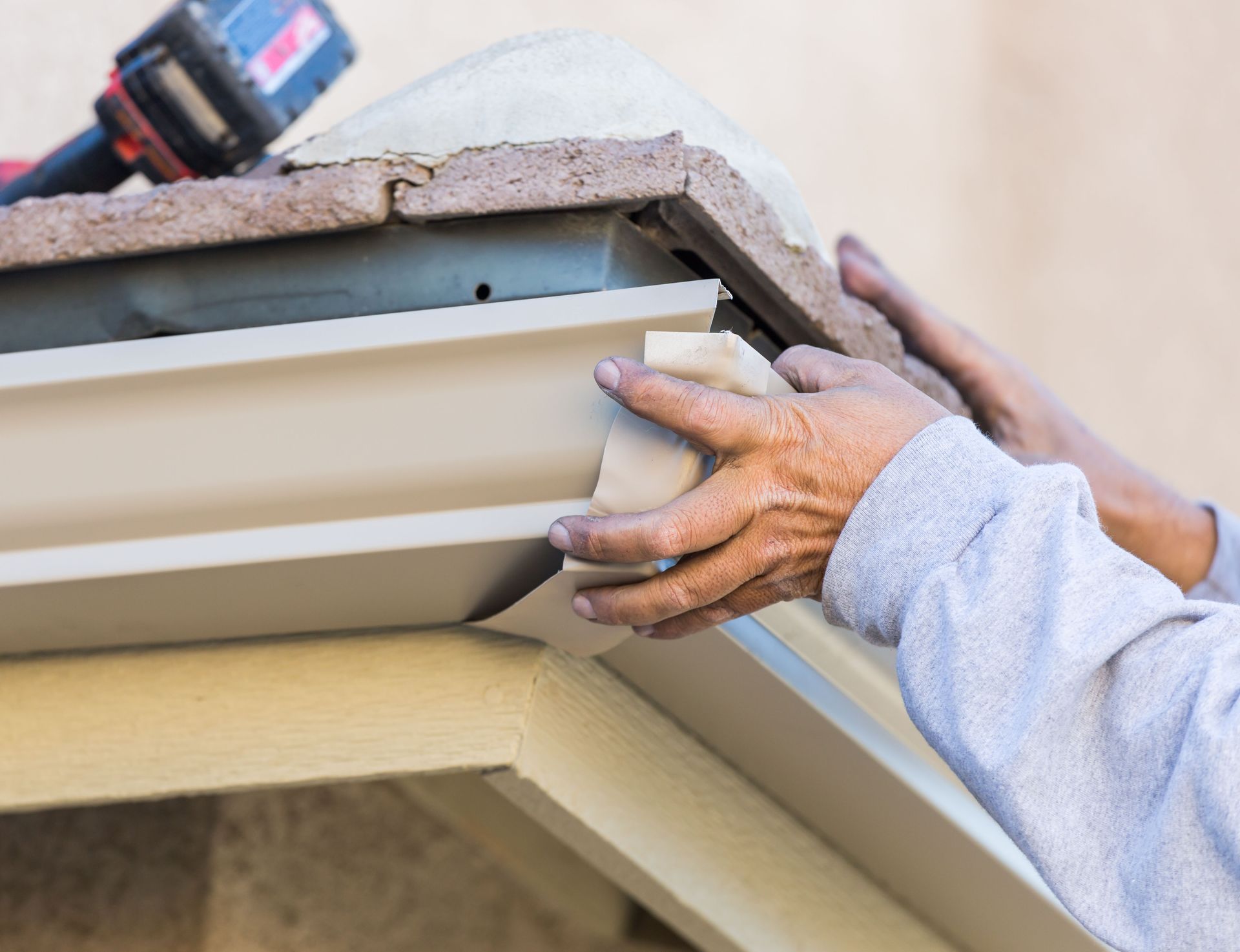
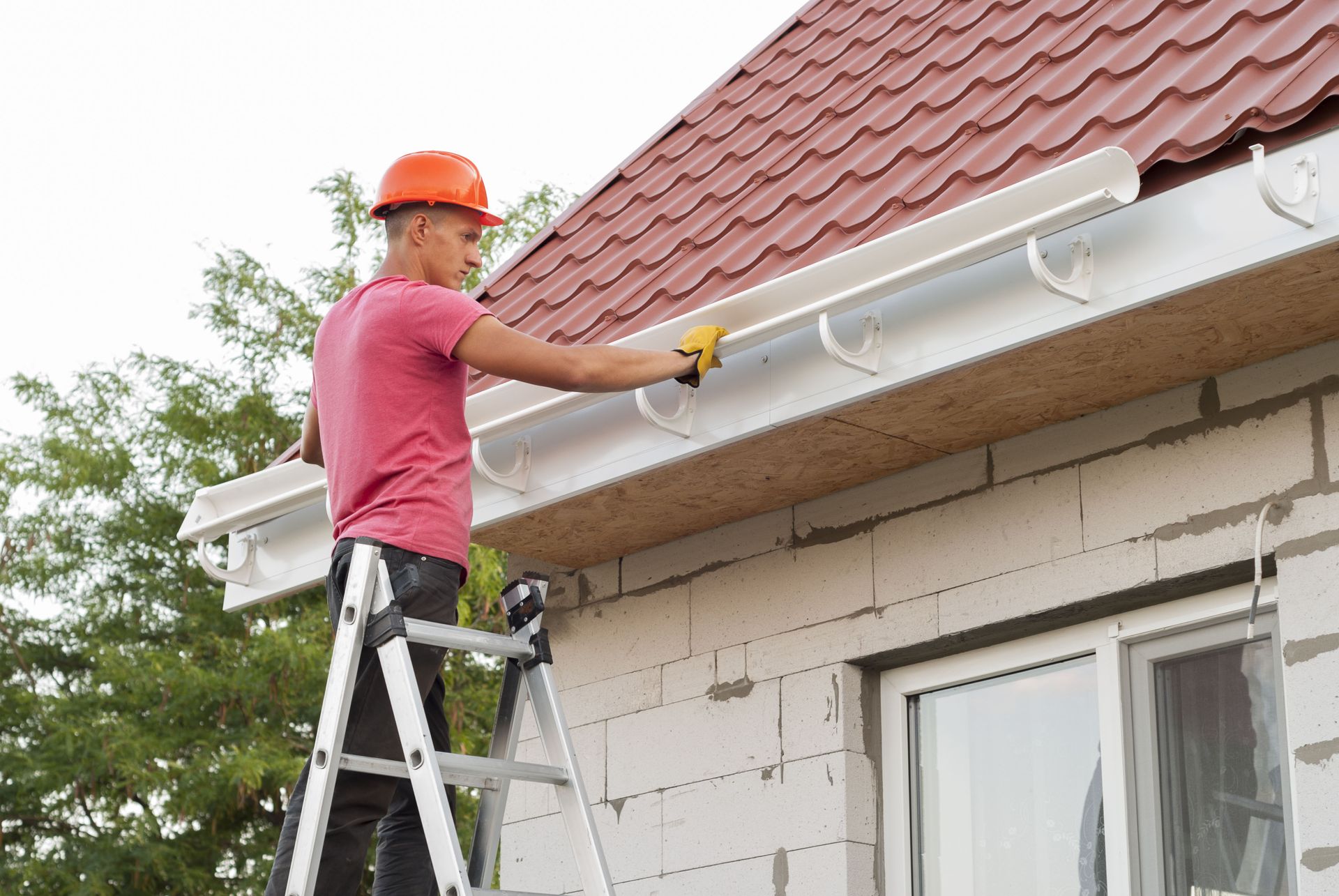
Installation by experienced contractors is crucial to ensuring optimal performance and long-term satisfaction. Trained specialists possess the unique skills to evaluate site-specific conditions and implement bespoke solutions tailored to unique climatic challenges. They follow strict industry standards and adhere to stringent safety and quality guidelines, minimizing the risk of errors or substandard work that can compromise integrity. Additionally, professional installers are well-versed in the latest material technologies and application methods, which enhances overall resilience to weather extremes. Engaging a comprehensive roofing service is a worthwhile investment, offering total peace of mind and the assurance of excellent craftsmanship.
Sustaining the Strategy for Extended Longevity
Regular inspection and risk assessment are pillars of effective maintenance, providing the insights critical to sustaining long-term asset integrity. Scheduled evaluations facilitate the early detection of issues such as moisture intrusion, shingle damage, or structural wear. A proactive approach allows property owners to address minor repairs before they escalate into costly replacements or extensive internal damage. Risk assessments should consider factors like seasonal weather patterns, local vegetation that may impact drainage, and the overall condition of the surface and supports. Routine inspections, coupled with strategic risk analysis, enable preservation of building integrity and assurance of continued performance under heavy rainfall.
Keeping surfaces clear of debris and maintaining clean pathways are vital for ensuring efficient water movement and preventing blockages. Leaves, branches, and other organic debris can accumulate and obstruct drainage pathways, leading to pooling and potential water damage. Regular cleaning, particularly in autumn when debris accumulation peaks, is a necessary practice to preserve drainage efficiency. Using appropriate tools, such as controlled washers or specialized brushes, allows for thorough cleaning without damaging the sensitive surface layers. Prioritizing proper cleaning and debris removal techniques safeguards the condition of the property and its ongoing ability to manage heavy rainfall effectively.
Analysis of specialized weather-engineered solutions underscores a great balance between initial investment costs and long-term financial savings. While advanced materials and technologies often entail higher upfront expenditures, their durability and lower maintenance requirements lead to substantial cost benefits over time. Savings arise from reduced repair needs, decreased energy costs due to improved insulation, and prolonged lifespans for the entire structure. Forward planning and a willingness to invest in superior products translate to fewer operational disruptions and lower overall ownership costs. Assessing the initial and sustained financial implications aligns modern decision-making with priorities for resilience, structural health, and economic prudence. For elite assistance with your next exterior project, contact A1 Siding and Gutter Company.