December 3, 2025
Professional gutter installation plays a vital role in protecting a home's structure and preserving long-term performance. A properly installed system helps direct rainwater away from siding, roofing, and the foundation, ultimately reducing the risk of costly repairs. Understanding how the process works makes it easier to stay informed, prepare your home, and feel confident during each step of the project. This clarity also helps homeowners recognize the value of investing in a reliable system that supports long-term protection.
Conduct a Pre-Installation Assessment
The pre-installation phase is the foundation for a successful gutter installation. A professional team begins with a full property evaluation, reviewing rooflines, fascia condition, and drainage patterns. The goal is to identify concerns that might affect installation, such as warped fascia boards, uneven roof edges, or complex architectural features. This review ensures the gutters will be secure, functional, and compatible with the home's design.
A needs-based evaluation follows. Homes in areas with frequent rainfall may require a higher-capacity system, while homes surrounded by trees may benefit from additional drainage points. These insights help determine the appropriate style and features to support strong performance. Material discussions take place next. Homeowners may choose from aluminum, copper, or other options listed by the service provider. This planning process keeps the project within budget and aligns the installation with the home’s exterior aesthetics.
Once measurements, material selection, and performance needs are finalized, scheduling takes place. Timelines consider weather patterns and material availability. According to This Old House, gutters require a minimum slope of one-quarter inch for every 10 feet of length to maintain proper drainage, and professionals incorporate this detail while preparing final installation plans. All this groundwork ensures a smooth start to the gutter installation process.
Prepare the Home and Plan the Work
After the assessment, the preparation and planning stage begins. Crews confirm any required local guidelines or approvals and make sure the project aligns with regional building standards. Once compliance is established, the property is prepared for safe and efficient installation. This includes clearing walkways, moving outdoor items out of the work zone, and securing landscaping that might be affected.
Weather awareness is another important part of preparation. Installers look at short-term forecasts to avoid working during heavy rain or extreme temperatures that could affect materials. Safety precautions, including ladder stabilization and the protection of outdoor surfaces, help ensure a secure work environment for both workers and homeowners.
Tools and materials are then arranged in a systemized layout. Having equipment easily accessible keeps the project organized and avoids delays. Installers double-check measurements, angles, and layout lines to confirm accuracy before beginning removal or installation. This attention to detail reduces errors and helps guarantee long-lasting results from the gutter installation.
Remove Old Gutters Carefully
Removing existing gutters requires an organized approach to protect the home. Installers start by evaluating the current system for sagging, corrosion, or improper fastening. This helps them anticipate challenges that may arise during removal. Using safe, controlled techniques, they detach each section to prevent damage to the fascia or exterior trim.
Disposal follows environmental responsibility guidelines. Many gutter materials can be recycled, helping reduce waste. After the old system is fully removed, the fascia is examined for damage such as rot, mold, or deterioration that may not have been visible beforehand. Addressing these issues immediately is essential, since a new gutter installation requires a clean and stable surface for secure attachment.
Once repairs or cleaning are complete, the surface is prepped for the new system. This step eliminates moisture, residue, and defects that could affect performance. Ensuring a fresh start sets the stage for a smooth installation and optimal water flow long-term.
Install the New Gutter System
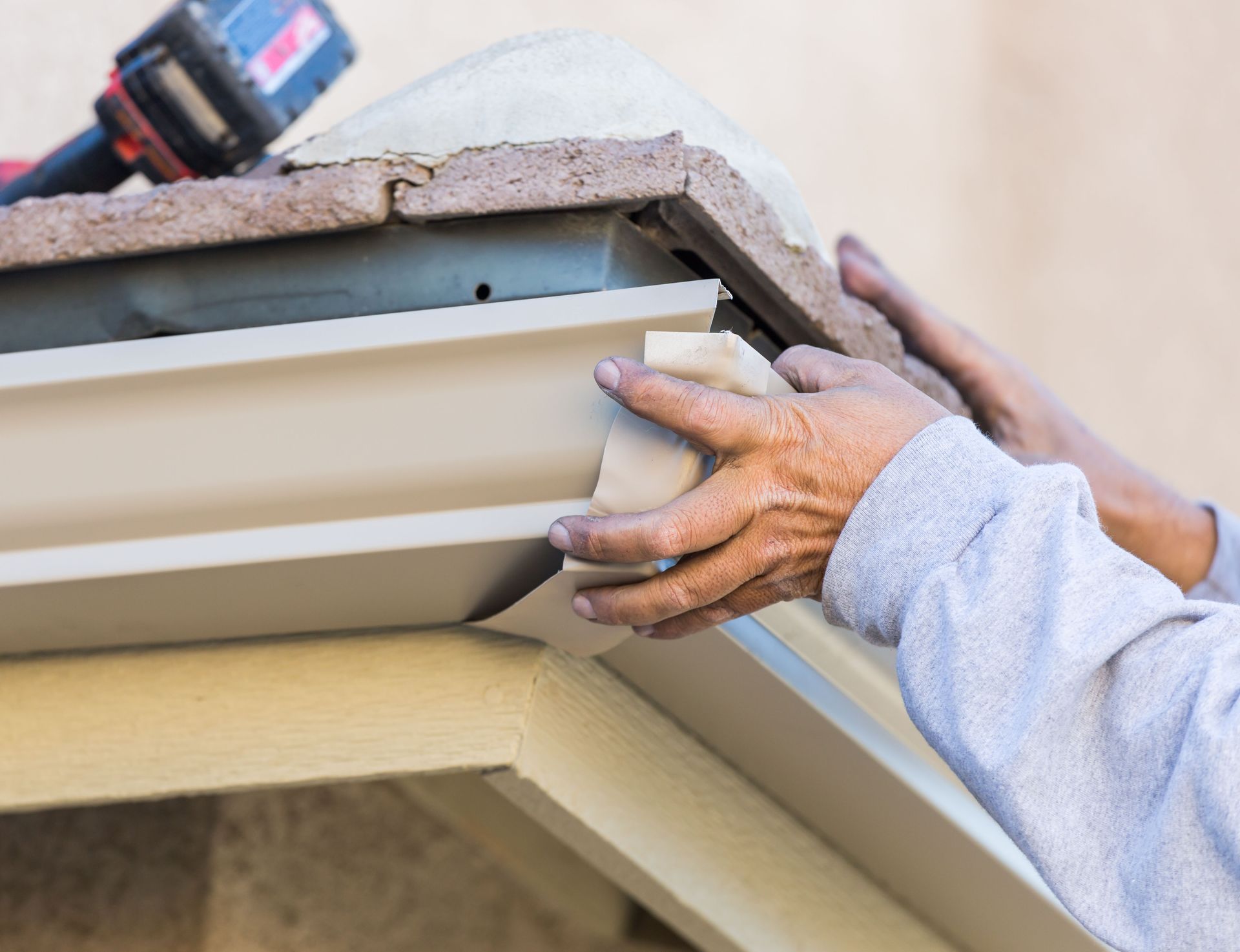
During the installation phase, accurate sizing and customization are essential. Each section is measured, cut, and shaped to fit the home’s contours for both effective drainage and visual appeal. A properly sized system prevents overflow, reduces pooling, and maintains consistent water flow during heavy rain.
Mounting brackets are then attached at calculated intervals. These supports hold the gutter’s weight and keep the system stable over time. Proper spacing is important to prevent sagging, especially during storms or when debris accumulates. Once the brackets are secured, the gutter channels are connected, sealed, and aligned with the required slope for efficient drainage.
Downspout installation follows. These components carry water from the roofline to the ground, redirecting it away from the foundation to reduce moisture issues and soil erosion. Positioning them in optimal locations adds efficiency to the entire gutter installation. After everything is in place, the system undergoes flow testing. Water is run through the channels to verify slope, sealing, and alignment. This ensures the new gutters perform correctly from the moment they are installed.
Review the Completed Work Thoroughly
The post-installation review ensures the project meets performance expectations. Installers walk through the entire system, checking attachment points, seals, slopes, and downspout placements. This inspection helps verify that all components operate correctly and that the installation aligns with industry standards.
Homeowners have an opportunity to ask questions, review specific areas of concern, or request adjustments. Installers provide guidance on caring for the system, including simple ways to maintain consistent performance throughout the year. These discussions help homeowners feel confident managing ongoing upkeep.
The final walkthrough completes the installation and offers reassurance that the system is ready to protect the home. A thorough inspection ensures that the gutter installation delivers dependable performance and long-term value.
Maintain the System for Long-Term Performance
Keeping gutters in strong working condition requires regular attention. Establishing a routine cleaning cycle prevents clogs and allows water to move freely through the system. Clearing leaves, twigs, and debris protects against overflow and reduces the likelihood of water damage. Inspecting gutters after significant weather events also helps identify issues early, allowing small problems to be handled before they grow.
Throughout the year, seasonal tasks help preserve system longevity. In autumn, removing fallen leaves helps prevent accumulations that can restrict water flow. Winter inspections focus on checking for ice buildup or weight-related strain. Spring and summer maintenance ensure the system is ready for heavier rainfall patterns. Addressing minor concerns such as loose brackets or small leaks helps maintain long-term performance and protect the home.
Homeowners may also consider additions that support system efficiency, such as gutter guards designed to minimize debris entry. Upgrading select components can support smoother water flow and reduce maintenance needs. Staying aware of new products and performance-enhancing options ensures the gutter setup remains durable and reliable in changing weather conditions.
A professional gutter installation provides meaningful protection for a home’s structure, appearance, and long-term condition. Understanding each phase — from the initial assessment to routine maintenance — helps homeowners feel informed and confident throughout the process. This knowledge supports stronger decisions and contributes to a system that performs effectively for many years. A well-planned project also helps reduce unexpected repairs, promotes consistent curb appeal, and strengthens overall drainage performance throughout changing seasons. When each stage is handled with care, the results can support your home for the long run.
If you are considering a new installation or want your home assessed for upgraded protection, we at A1 Siding and Gutter Company are ready to assist. Contact us today to schedule your service and experience reliable results and dedicated support.